SEP Biogas Utilization
Project Vision
San Francisco, CA
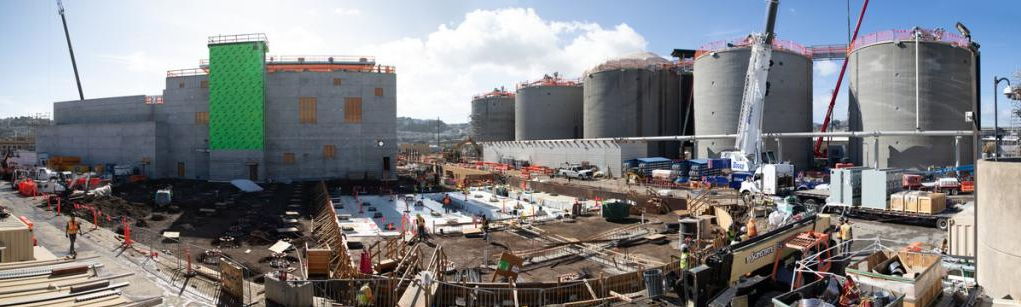
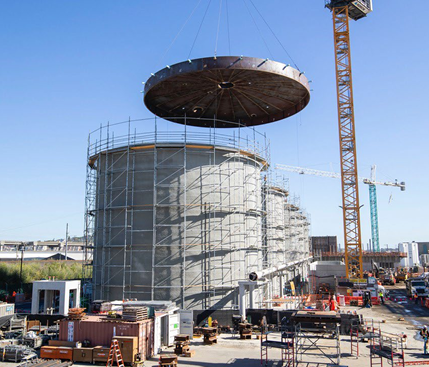
The SEP Biogas Utilization Project is a key component of the Biosolids Digester Facilities Project (BDFP) at the Southeast Treatment Plant. The project was developed to transform biogas generated during the wastewater treatment process into pipeline-quality renewable natural gas (RNG) for distribution through PG&E’s existing natural gas system. By converting a treatment byproduct into a renewable energy resource, the project reduces operating costs, supports San Francisco’s sustainability goals, decreases reliance on fossil fuels, and maximizes the beneficial use of resources generated through wastewater treatment. Instead of using biogas for on-site energy generation, the new system will upgrade and inject RNG into the existing gas pipeline network for use by customers throughout the region.
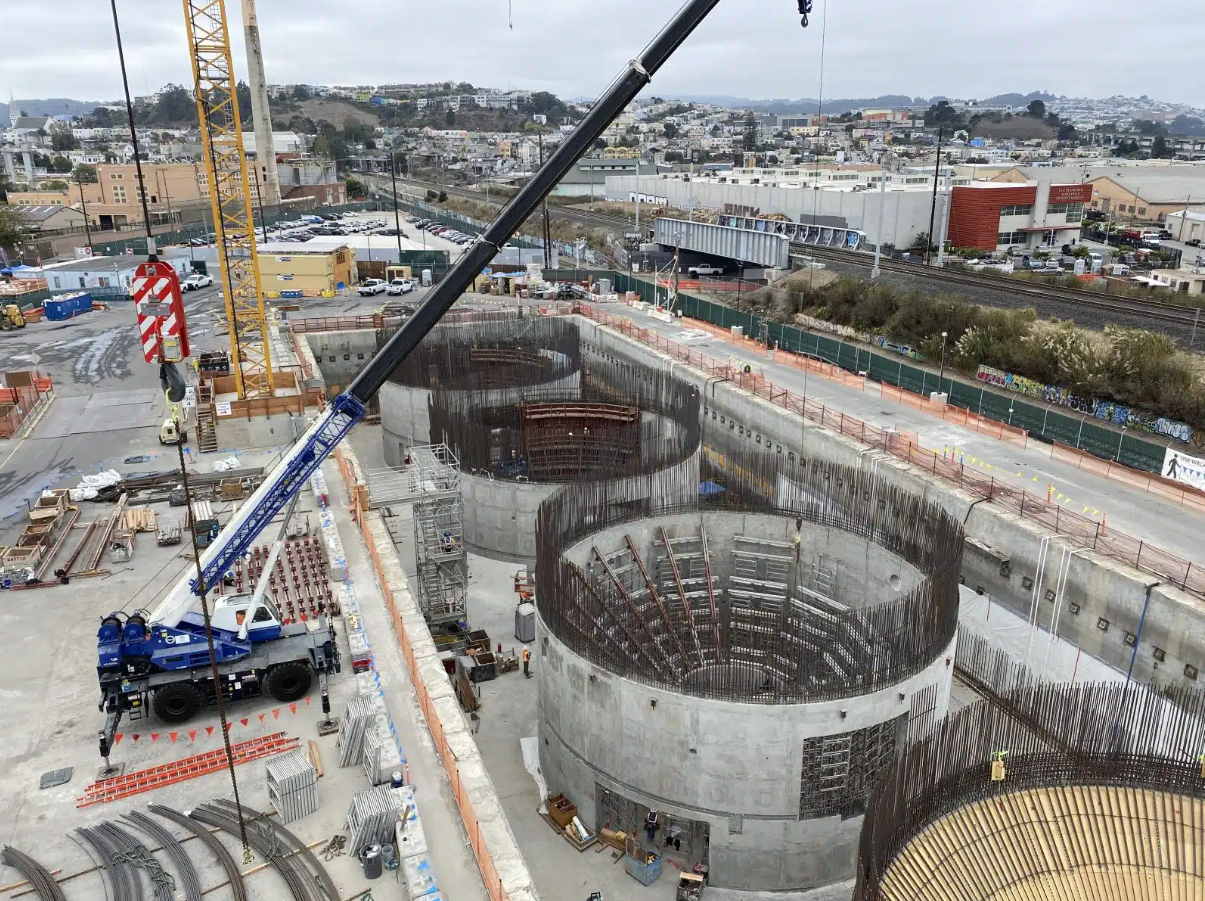
JBR Partners, Inc. provided partnering and stakeholder engagement support for the Biosolids Digester Facilities Project and its associated Biogas Utilization Project. Through facilitated partnering sessions, issue resolution discussions, and ongoing coordination among project stakeholders, JBR helped support collaboration, communication, and alignment throughout the planning and delivery of these critical wastewater infrastructure improvements. The team’s partnering approach encouraged open communication, strengthened working relationships, and helped project participants address challenges collaboratively while maintaining focus on shared project goals.
Project Notes
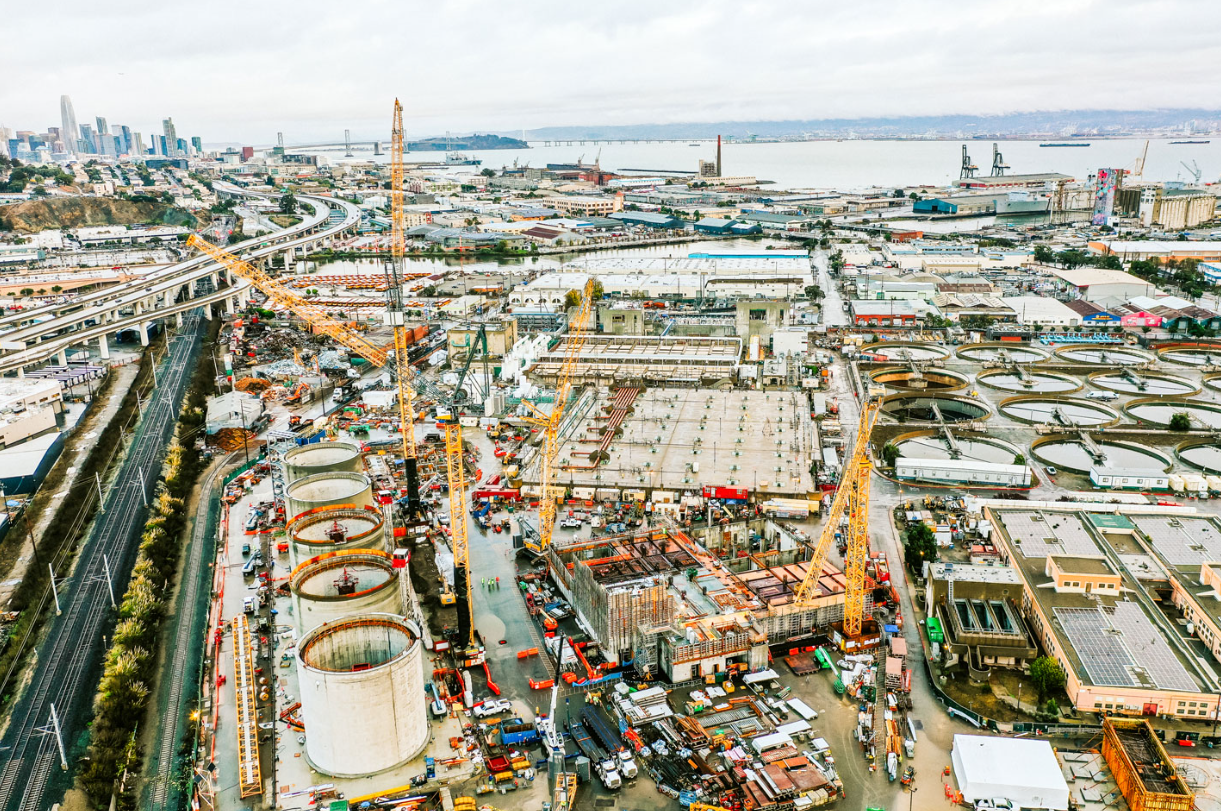
Location: Southeast Treatment Plant, 750 Phelps Street, San Francisco, CA
Lead Agencies: San Francisco Public Utilities Commission (SFPUC)
Component of the Biosolids Digester Facilities Project (BDFP)
Includes the design and construction of facilities to clean, condition, compress, and inject biogas into PG&E’s existing natural gas distribution system
Supports long-term operational improvements and alternative beneficial use of biogas generated at the Southeast Treatment Plant
Part of SFPUC’s broader investment in modernizing aging wastewater infrastructure and improving resource recovery operations
The Design-Build contract was awarded in October 2024, construction began in February 2025, and substantial completion is anticipated in August 2027 (subject to change)